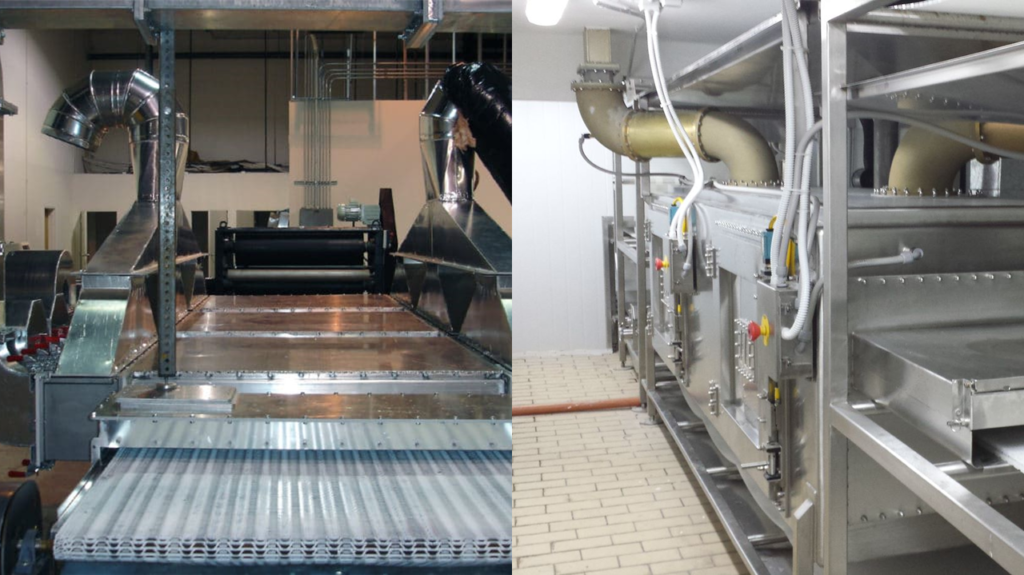
If you’re exploring the potential of microwave for your application, you may be curious about single mode vs. multi-mode microwave systems. At Microwave Techniques, we offer both styles of industrial microwave processing systems, across two of our system brands: Ferrite and IMS. While most of Ferrite Microwave Technologies (FMT) systems are multi-mode units, Industrial Microwave Systems (IMS) units are mostly single mode processors. Here, we’ll break it all down.
Let’s take a look at the advantages, disadvantages, applications, use cases, and best-suited materials for each type of microwave system: single mode and multi-mode. To start, let’s look at the comparative advantages of each type.
Single Mode vs. Multi-Mode: Advantages
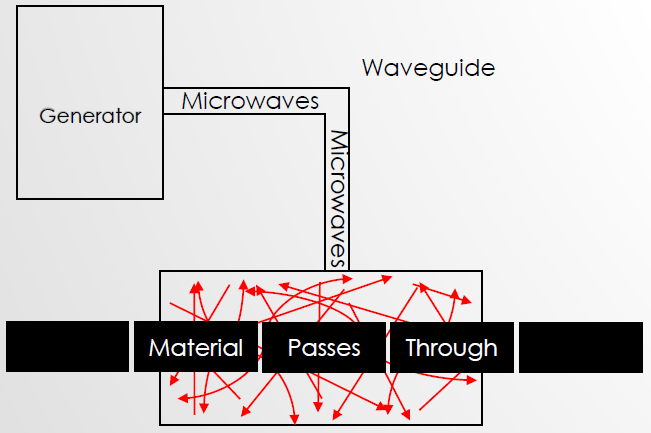
Industrial microwave systems require much more power than domestic systems. Therefore, they almost always utilize a standalone microwave generator. In some cases, multiple generators provide power and energy to the processing equipment. In either case, the microwave energy is then transmitted from the generator(s) to a cavity of either single or multi-mode type. Both types transmit the energy similarly, but the differentiator is what happens inside the applicator.
Advantages of multi-mode
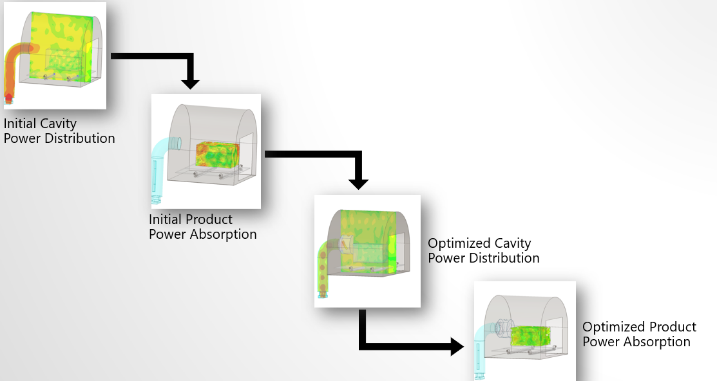
In multi-mode cavities, the microwave energy bounces around inside the applicator. As a result, the microwaves heat all of the material that passes through, with energy applied from all directions. Ferrite Microwave Technologies complete line of systems utilize advanced processing technologies that enhance multi-mode heating uniformity and energy distribution.
One example of this is the patented slotted polar cap (SPC) feed system. The technology creates a single mode polarized signal in circular waveguide. When coupled to a microwave cavity, it creates multiple modes within the cavity.
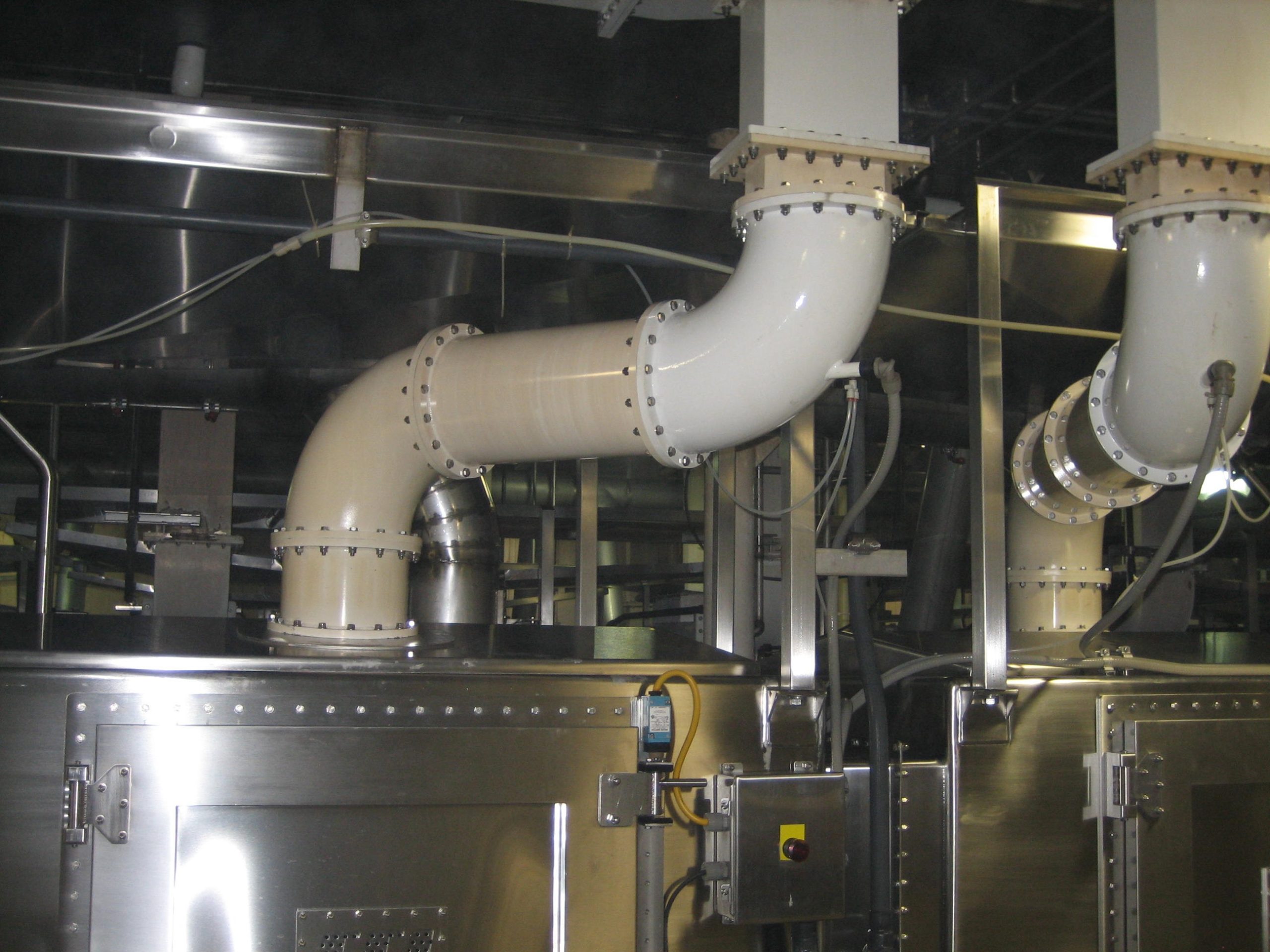
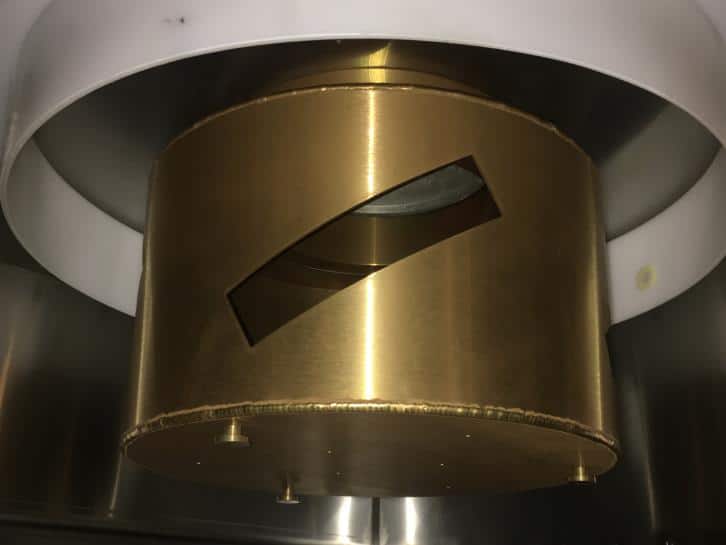
This process is largely due to the rotating nature of the polarized signal generated. Overall, multi-mode microwave systems are best fit for thicker products and materials. When these style applicators incorporate advanced FMT microwave technology that improves field distribution and enhances coupling, users experience superior product heating, as well as increased efficiency in their microwave processing systems.
Advantages of single mode
For thinner materials and liquids, single mode applicators may prove as more advantageous than a standard, one size fits all, multi-mode type system. In addition, modularly designed single mode units may make for an easier process of retrofitting, or adding equipment to existing infrastructure.
Likewise, single mode systems offer benefits for pre-heating or post-heating materials, prior to the product entering or exiting a conventional heater or dryer. While multi-mode units may provide greater uniformity for thicker products, single mode systems often work best with thinner or liquidous materials.
With IMS single mode processors, the geometry of the applicators focuses the energy to a specific mode. In the case of the ridged serpentine waveguide applicator (for thin materials), it is a plane of energy that serpentines from side-to-side, just above the conveyor for many passes. Uniquely, this process also allows for side-to-side uniformity.
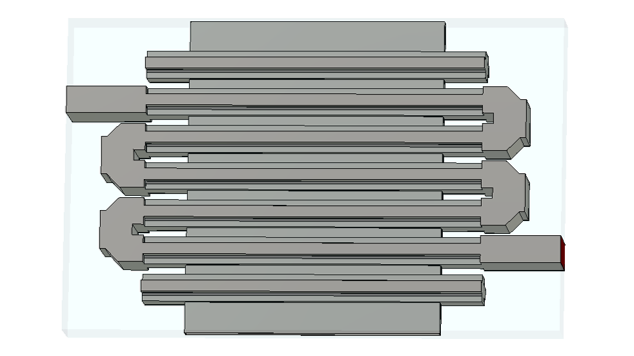
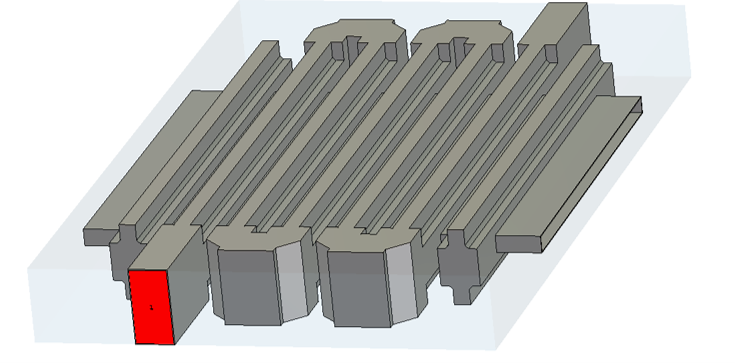
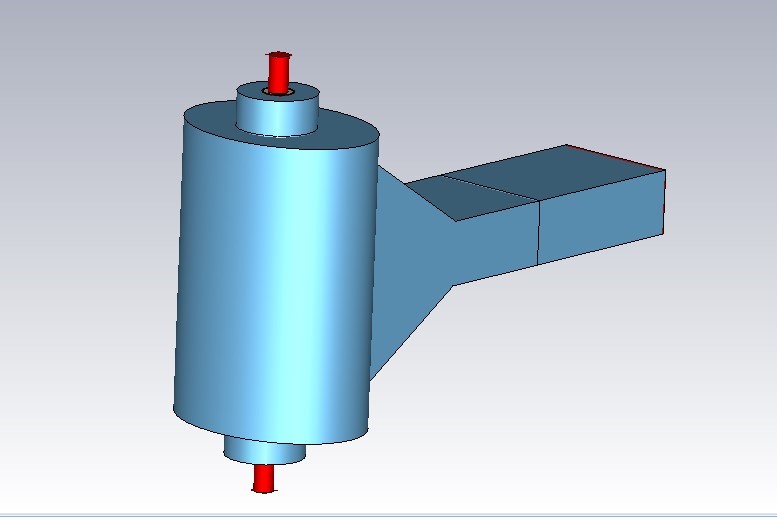
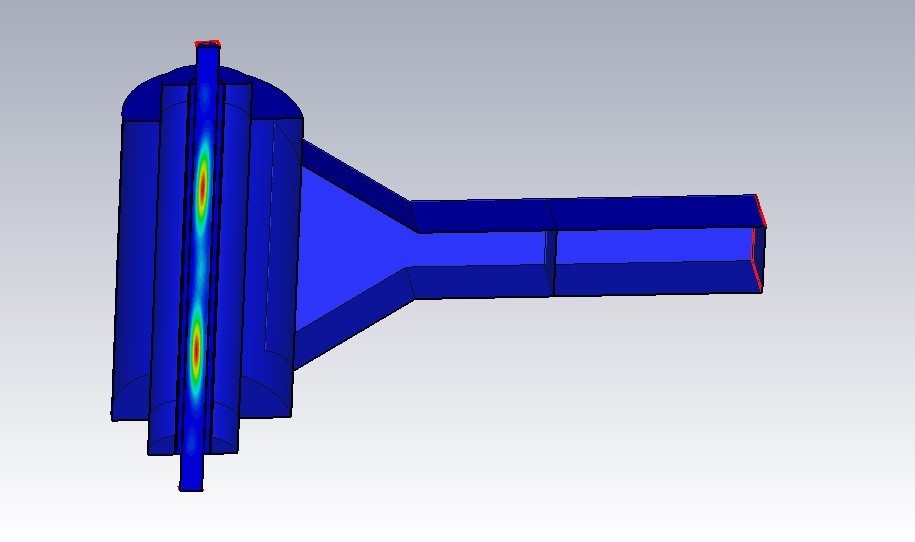
In the case of the cylindrical applicator (for liquidous materials), the energy is focused on an axis that extends down through the center of the material.
Shared advantages
The shared advantages that both single and multi-mode systems offer, when compared to conventional industrial drying or heating technology includes:
- Ability to increase production speeds
- Enabling the decrease of production costs
- Much easier to clean, inspect, and diagnose
- Improvements to safety initiatives: fewer product handling sequences
- No emissions: improves working conditions and decreases carbon footprint
- More compact layout than traditional gas-fired ovens or large drying chambers
- Easier to start, stop, and control, which eliminates long warm-ups and cool-downs
- Enhancements in product quality: non-contact procedure with less marring or stress on products
- Uniformity: each type of system offers unique and precise heating or drying, tailored to the product
Single Mode vs. Multi-Mode: Disadvantages
While both types of processing systems may have distinct advantages, each may present unique disadvantages or challenges. This largely depends upon the material and its density, dielectric properties, throughput, and your facility, among other factors. Let’s take a look at the disadvantages of single mode vs. multi-mode industrial microwave systems.
Disadvantages of single mode
The disadvantages of single mode systems are typically centered around the lack of ability to create a uniform energy distribution for thicker, denser materials. This may lead to wet regions of a target material. It could also leave parts of the material underexposed. In the microwave industry, these areas are known as “cold spots” (or conversely, “hot spots”). Another possible disadvantage of employing single mode units is the potential lack of penetration depth on thick materials. However, when treating thin materials, single mode systems rarely exhibit these disadvantages.
Disadvantages of multi-mode
One main disadvantage of multi-mode systems is for thin materials. Although multi-mode systems tend to provide more heating uniformity and energy distribution for thicker materials, other disadvantages are related to limited flexibility in terms of size and modularization. Single mode systems may provide a more modular design, with various styles of applicators to choose from. Additionally, multi-mode systems can present challenges with incorporating the system into other existing heating or drying infrastructure. However, this all depends on the application and the facility.
We’ve also worked on special projects that require re-configuration or re-optimization of infrastructure(s) to incorporate microwave components and advanced system-level technology.
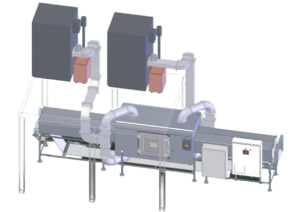
Process Applications
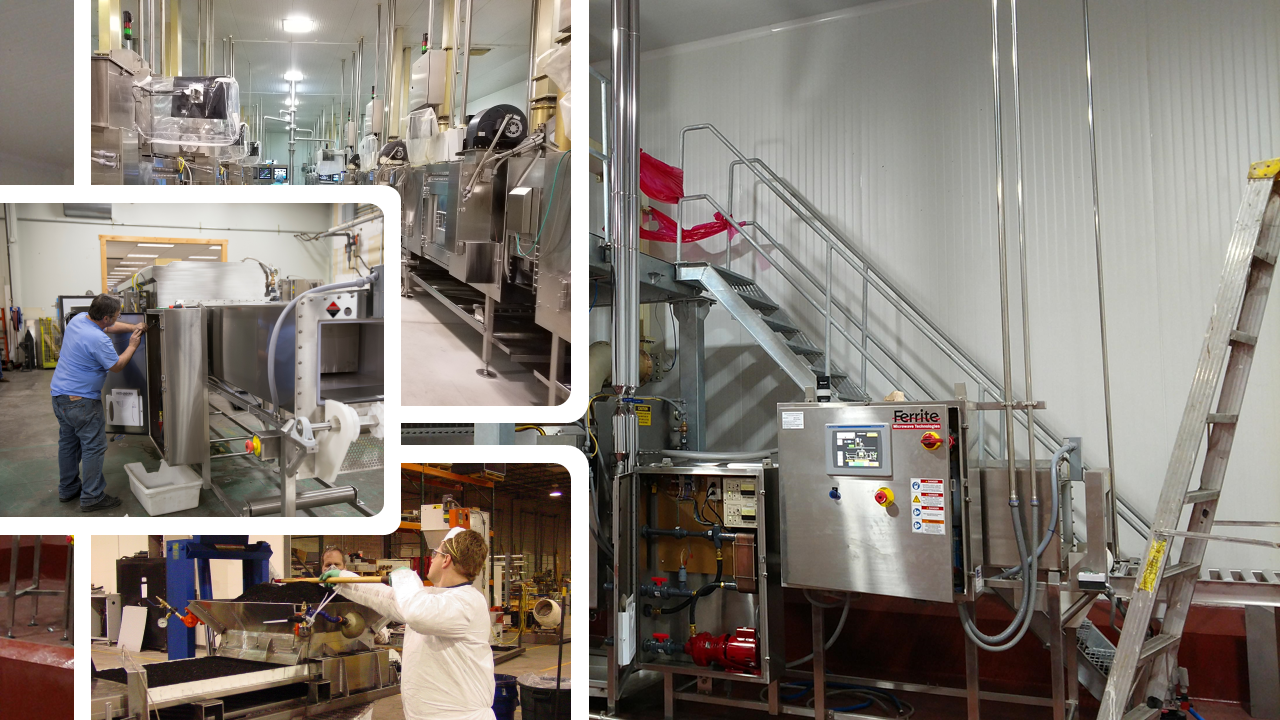
The invention and widespread adotpion of the in-home microwave in the 1960’s led to fast-paced developments with the technology at a much larger scale. Industrial microwave processing systems became commonplace in food processing facilities and other industrial segments. As pioneers in the industrial microwave industry, we’ve seen first-hand the myriad of applications for both single and multi-mode systems.
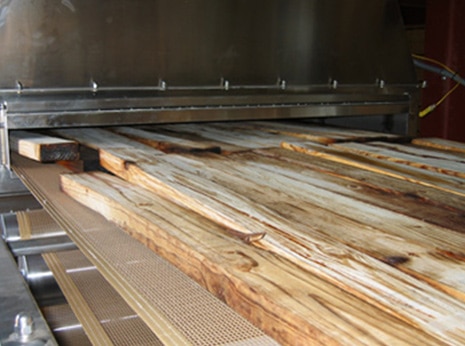
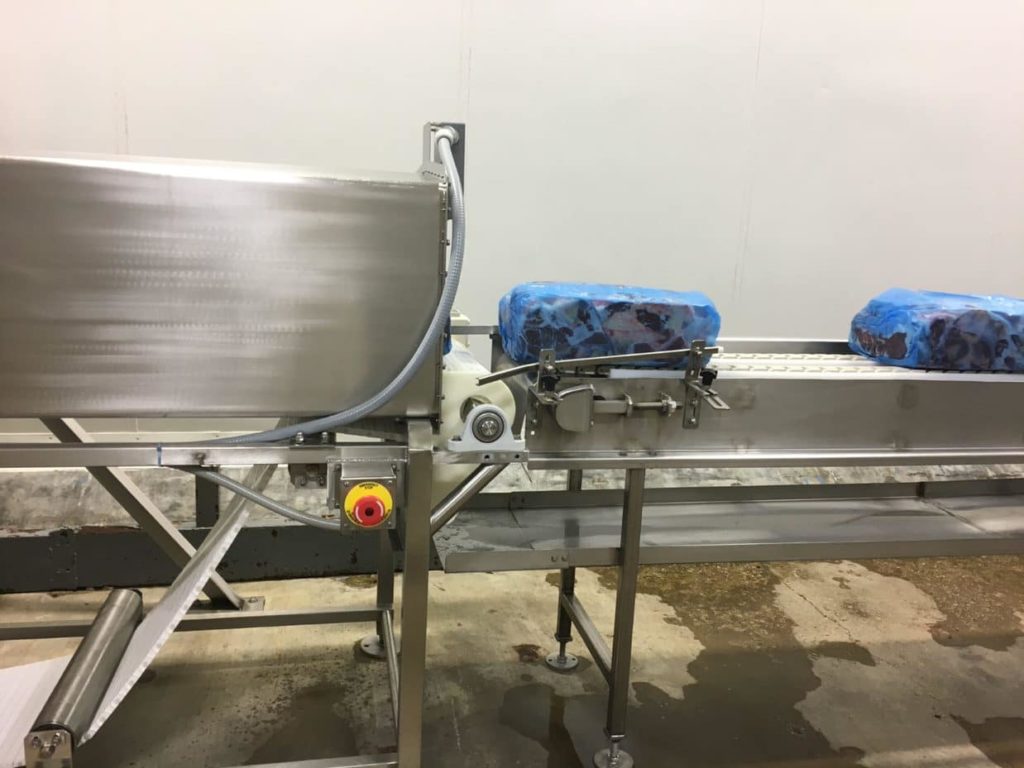
Multi-mode
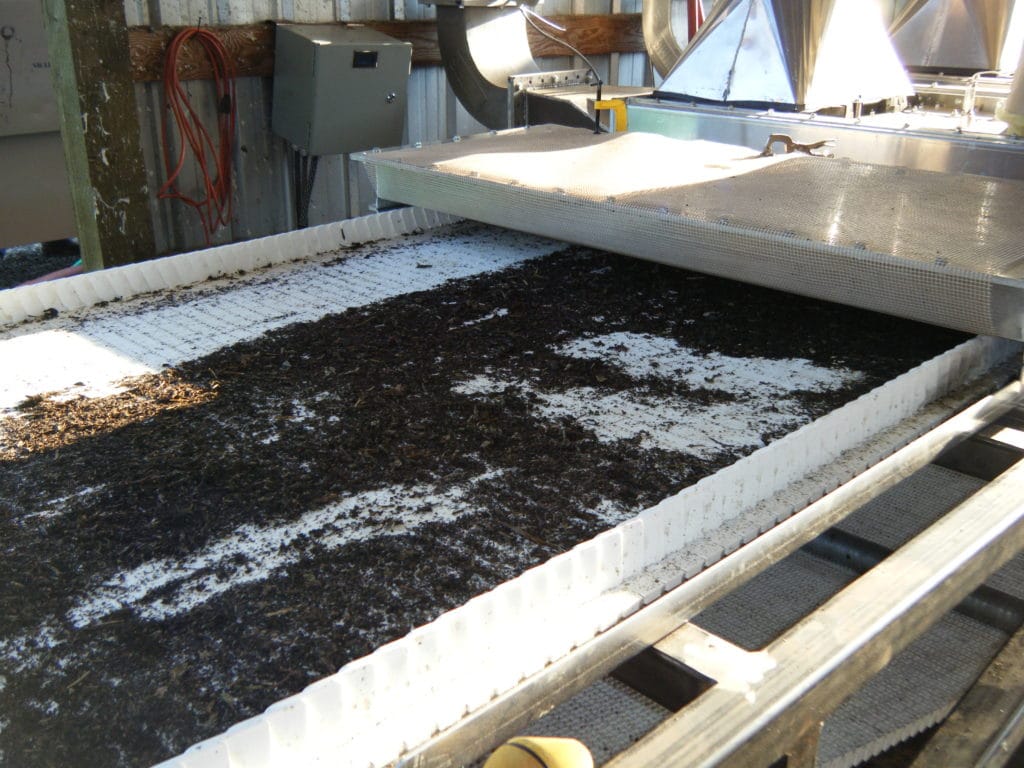
- Cooking
- Boost heating
- Drying of materials
- Frozen food tempering
- Heating or bonding of materials
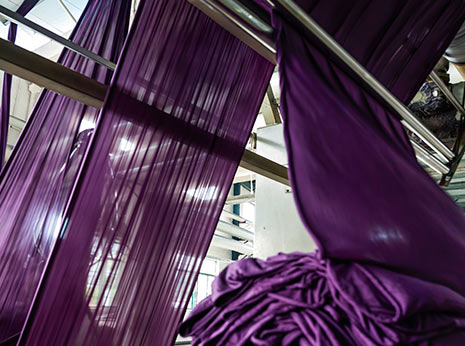
Single Mode
- Sterilization
- Pasteurization
- Microwave-assisted extraction
- Drying of loose or granular materials
- Drying of continuous or sheet products
There are several food and non-food applications for industrial microwave systems. Each of these process applications utilize microwave power, energy, and other properties for drying and heating of various materials.
Examples include timber processing, coal drying, and bio-waste treatment, among many other processes.
As leaders in the microwave industry, we also conduct trials on new products, materials, and substances on a regular basis at our advanced microwave laboratory. New applications and products are being tested and proven every day.
Use Cases: Single Mode vs. Multi-Mode Microwave Systems
The uses cases for single mode vs. multi-mode will largely depend upon the material, its throughput requirements, the process goals, and several other contingent factors. However, we’ve summarized a list of use cases in which we’ve seen one type, or both types, work effectively.
Multi-Mode
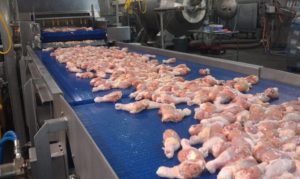
- Meatballs
- Chicken wings
- Beef and meat processing
- Bonding adhesives for engineered lumber (LVL)
- Tempering frozen blocks of fish and other seafoods
Single Mode
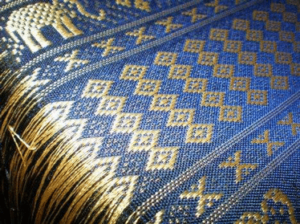
- Foam drying
- Treatment of papers
- Liquid food pasteurization
- Extraction of compounds from fluids
- Drying of carpet, textiles, and other fabrics

Shared Use Cases
- Coal treatment
- Oil reclamation and refinement
- Drying of agricultural grains and snack foods
- Treatment of biomass, biowaste, and biosolids
Overall, there are a wide range of solid materials, porous elements, liquid substances, and fluids that react well when subjected to microwave treatment via either a single or multi-mode system. When looking at choosing a single mode vs. multi-mode microwave system, the deciding factor may be the product density, as well as the thickness of the product.
Our Proven Microwave System Technology
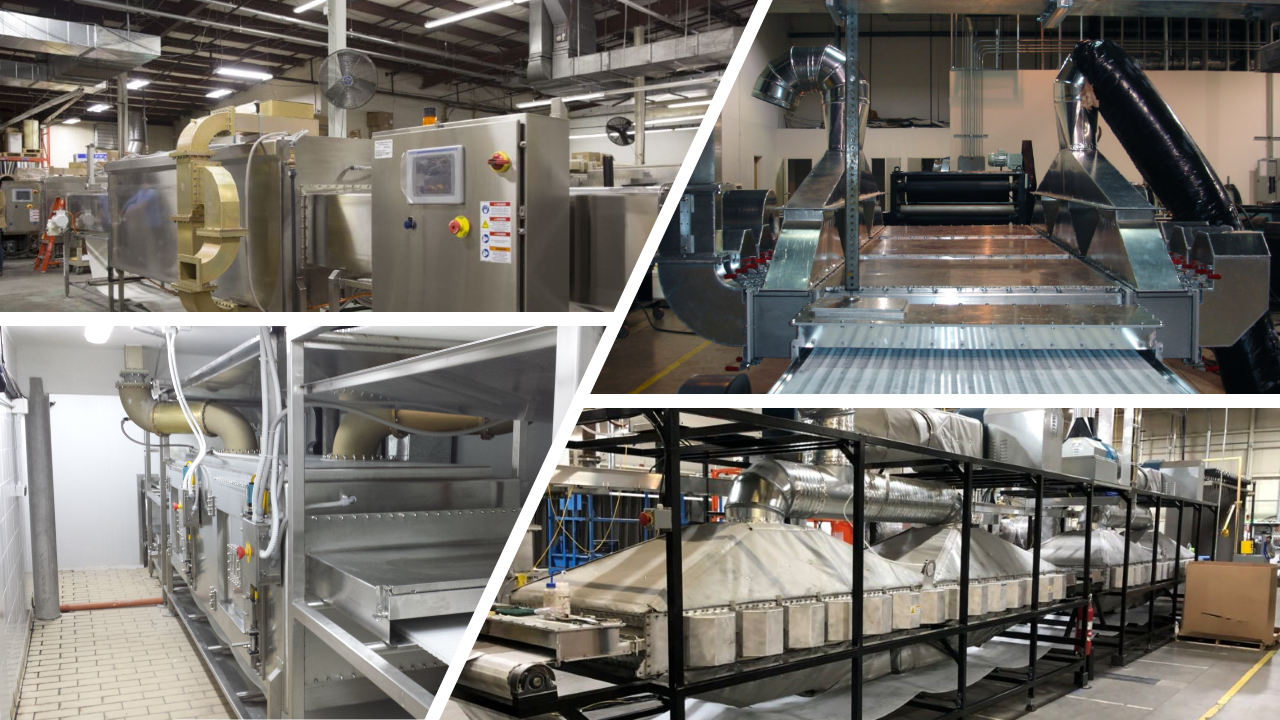
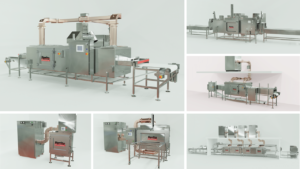
Between the legacy designs of Ferrite Microwave Technologies (FMT) and Industrial Microwave Systems (IMS), the Microwave Techniques Systems Division offers a wide range of multi-mode and single mode systems. Explore some of our common microwave processing solutions below. We also develop a range of custom solutions.
Multi-Mode
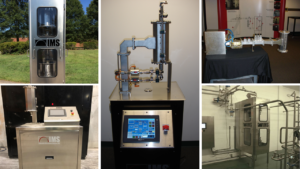
Single Mode
Liquids and Fluids Heating
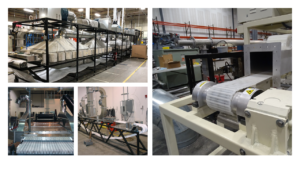
Solid Materials Drying and Heating
Single vs. Multi-Mode Microwave Systems: How to Decide Which?
After reading this informative guide, we encourage you to reach out to us if you still have questions about which type of microwave system will best fit your requirements. Please keep in mind, to accurately size and scope all new microwave projects, the following information is critical to our understanding and providing an appropriate solution for your needs:
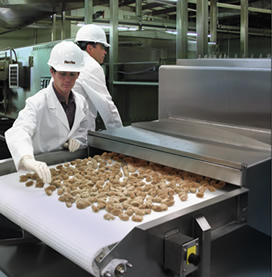
- Your product:
- Dielectric properties of the material.
- Size and consistency of the product (dimensions, variations, form factors).
- Your goals:
- Start temperature vs. end temperature.
- Desired amount of moisture or water to be removed, over desired amount of time.
- Throughput: the amount of material you’d like to process in a given amount of time.
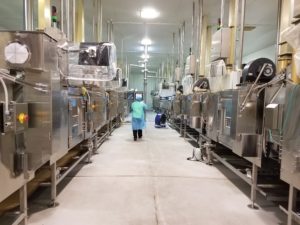
- Your facility:
- Are there space constraints or limitations?
- Any relevant environmental factors to consider?
- What can you tell us about existing infrastructure or current equipment?
If you need assistance learning more about single mode vs. multi-mode microwave systems, we advise you to take any of the following steps:
- Gather relevant data points and information about your material.
- Set up a discovery call with our advanced microwave engineering team.
- Schedule a time for product testing and in-house trials at our microwave laboratory.
We’re happy to be your resource and help you discover the power of microwaves!
As always, we look forward to learning about your materials and process goals!